
Trade
Check the document at each handoff.
A certificate of origin, inspection report or packing list can cross several organisations before a buyer relies on it. Each issuing party registers its own final document, so the next recipient can check the issuer's record and the exact file.

Trade in action
Watch how it works
Video not loading? Watch on YouTube
From Flower Exporter to Buyer
A forwarded invoice with changed bank details is caught before payment.
The Trade Ecosystem
From the warehouse to the wharf, the same trust layer applies.

Exporter
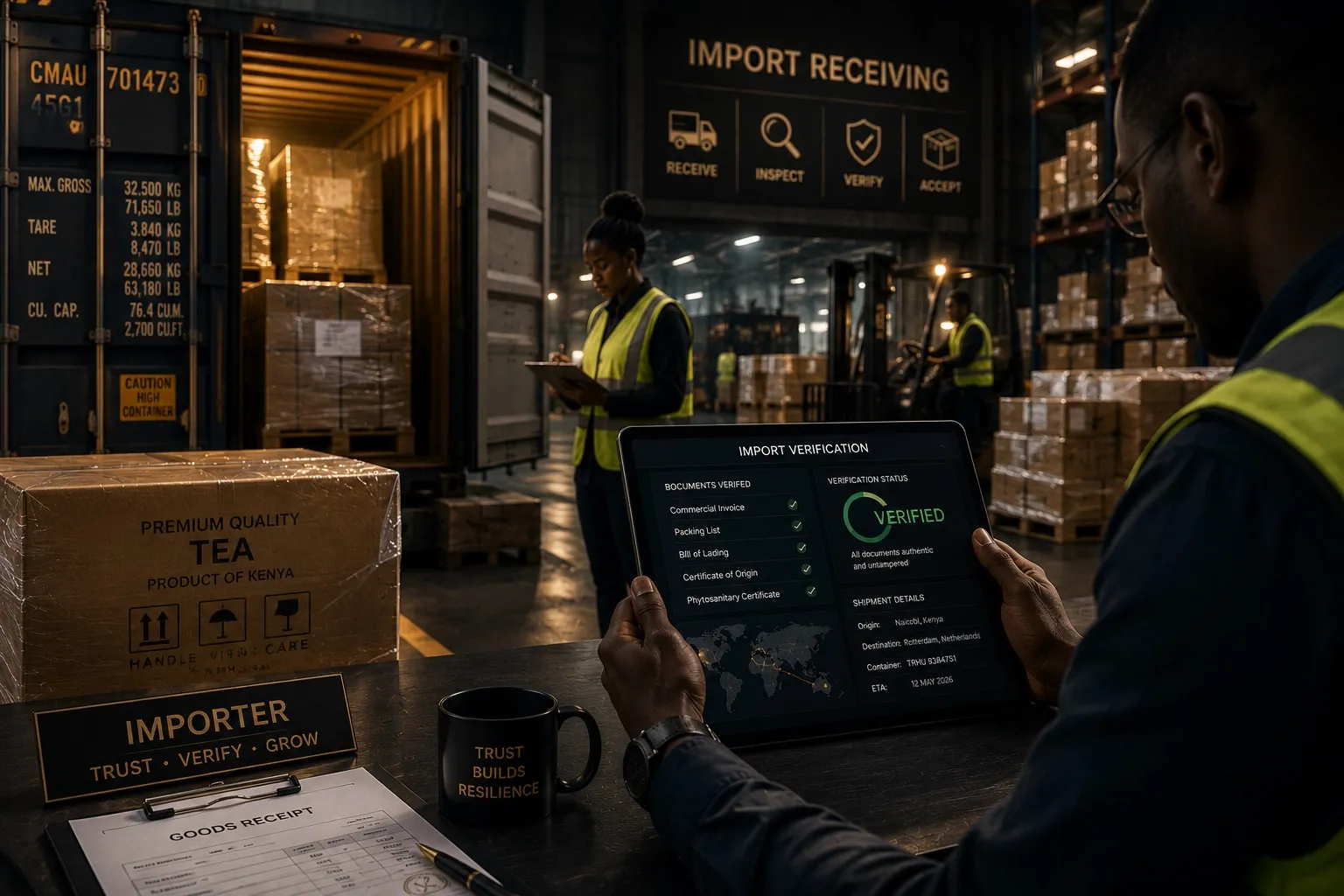
Importer
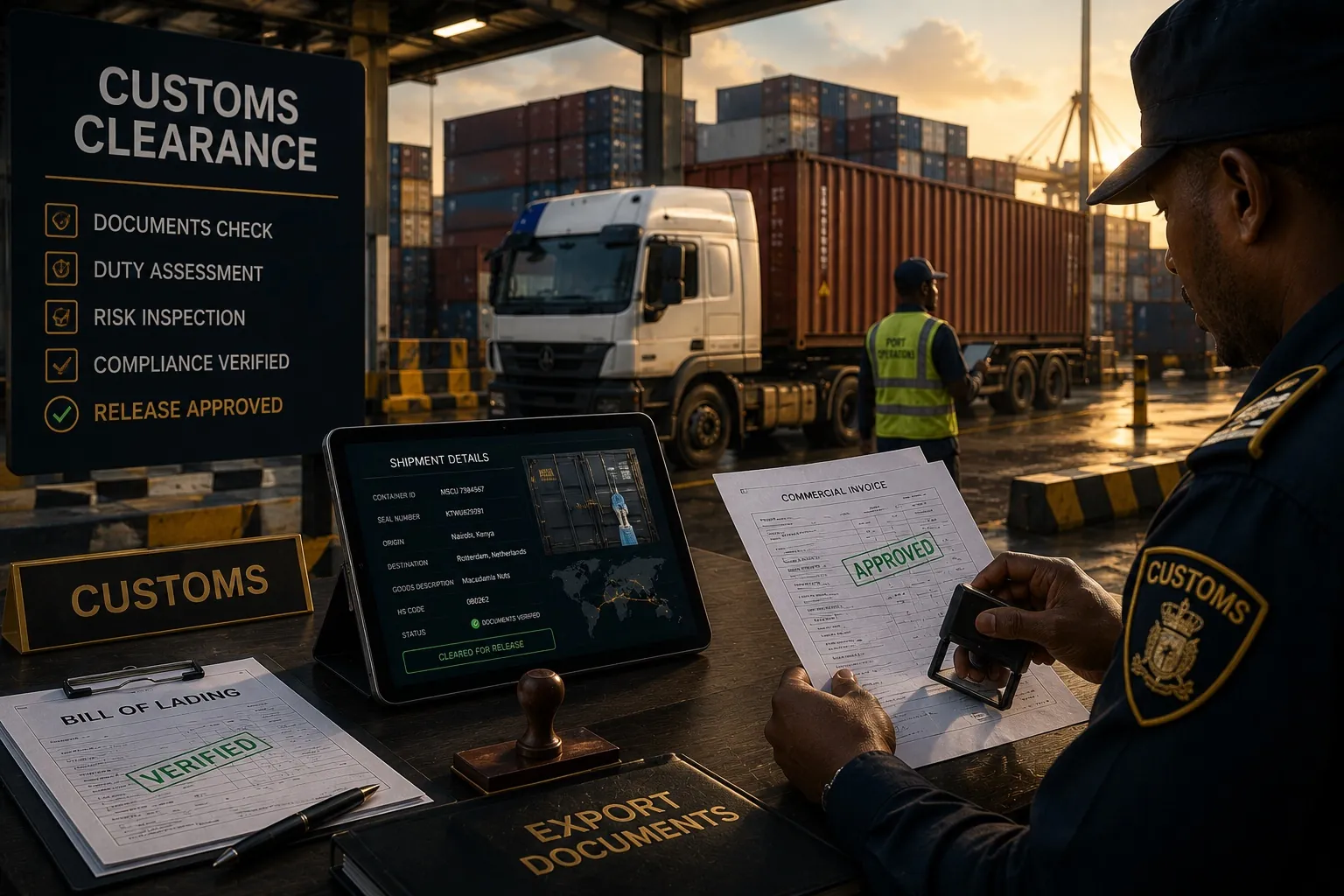
Customs

Shipping Line
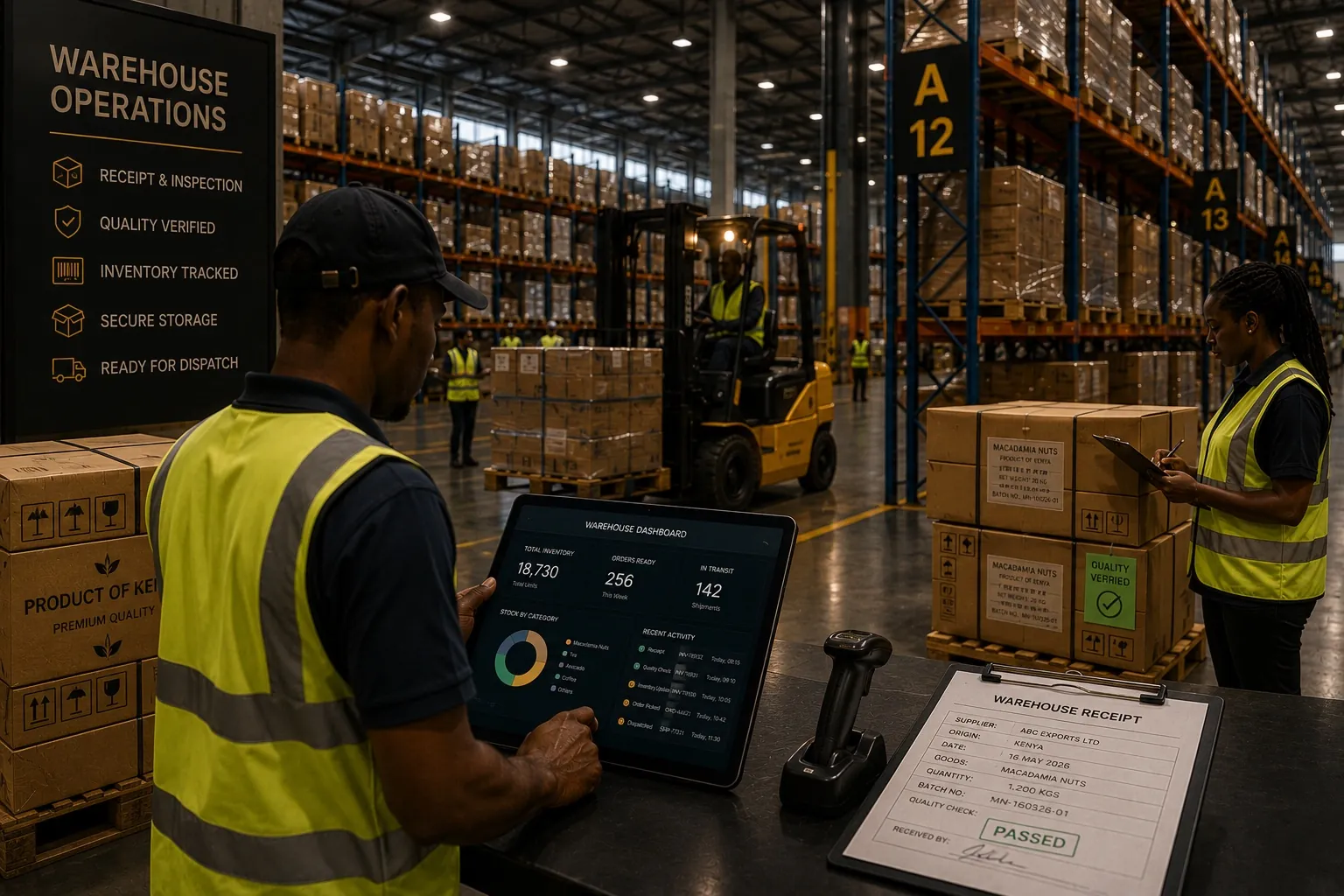
Warehouse
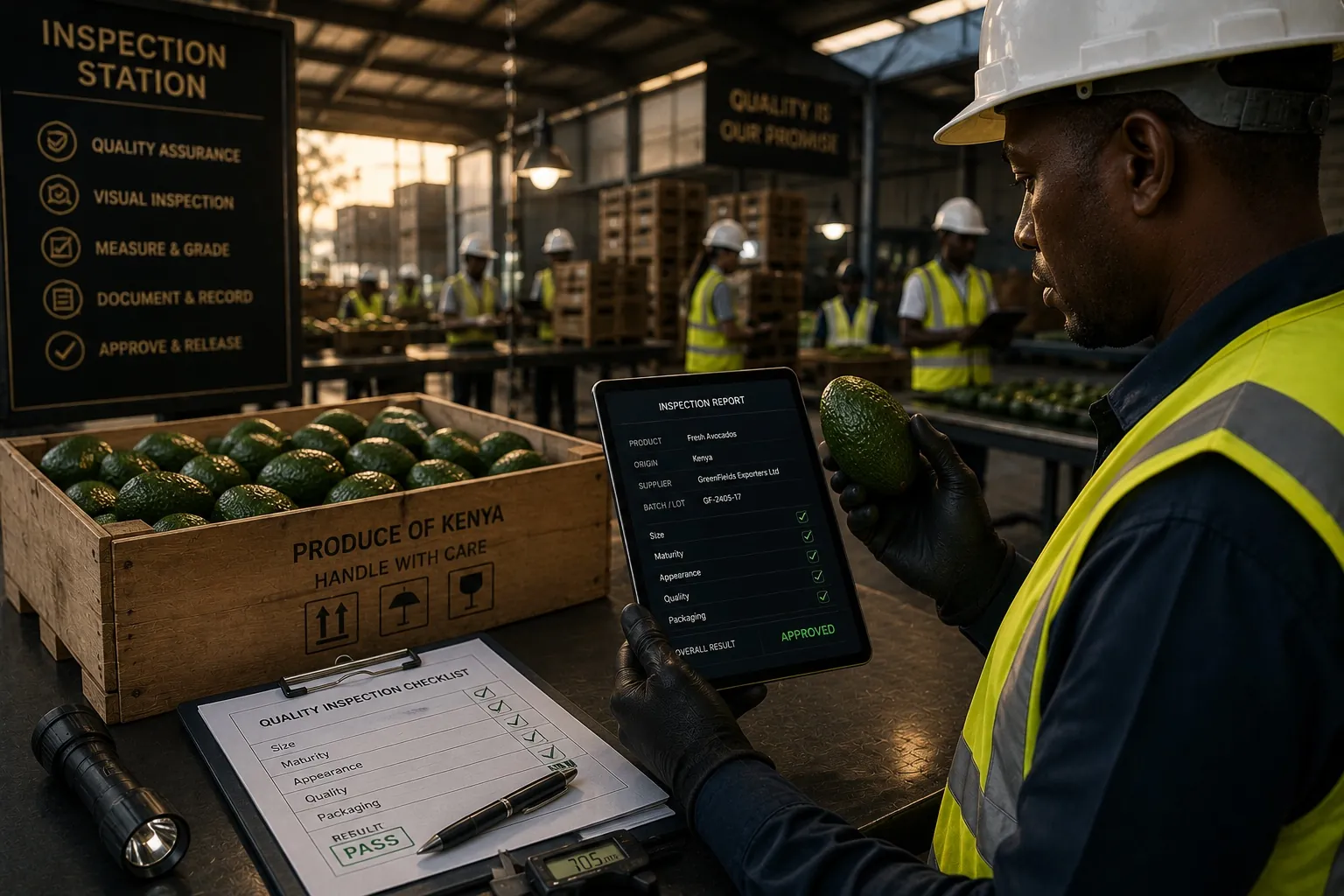
Inspector
Explore Trade Workflows
Start with one document and its issuer.

Certificate of Origin
A certificate of origin should be registered by the organisation that actually issued it. The importer or buyer can then compare the QR record and final file before relying on the certificate.
- Certificate of OriginIssuing Chamber or Authority
Document Journey
How a certificate of origin moves from issue to clearance.
The issuer creates the QR-bearing file first. The recipient then checks the QR record and the file itself.
Example: Certificate of Origin Issuer: Issuing Chamber or Authority
- 01
Issuer
Register the document
The approved issuer selects its source file. Kweli records its fingerprint and the details a recipient should check.
- 02
Issuer
Place the QR code
Kweli creates a proof ID and QR code. The issuer places the QR on the document.
- 03
Issuer
Download the issued file
Kweli records the fingerprint of the final file with its QR. The issuer downloads and shares that version.
- 04
Recipient
Scan the QR code
The recipient opens the proof record and compares its issuer and details with the document received.
- 05
Recipient
Verify the exact file
The recipient selects the digital file. Kweli checks its fingerprint against the final issued version.
A QR scan shows the issuer's record. The file check establishes whether this digital copy matches the issued version.
Kweli does not confirm the true country of origin, only that the certificate matches what was registered.
Business Impact
From a phone call to a cleared shipment.
Today
- Manual document checks at each border
- Phone or email confirmation with issuers
- Delays at customs
- Inconsistent document versions
With Kweli
- Independent document verification
- Faster customs clearance
- Stronger audit trail
- Detection of altered or unmatched documents
Implementation
One workflow, proven in practice — not a customs-wide overhaul.
Start with one document type, such as certificates of origin
Bring on a defined group of exporters
Train the trade operations team who process it
Track clearance time and exceptions at the border
Get Started
Ready to bring verification into your trade documentation?
Begin with certificates of origin and expand across shipping and customs.